
The Psychology of Mindfulness

Research in psychology has shown that mindfulness practices can have numerous benefits for both physical and mental health. Some key findings include:
- Better physical health: Studies have linked mindfulness to lower blood pressure, reduced chronic pain, and a healthier immune system.
- Reduced stress: Mindfulness has been shown to decrease the production of stress hormones like cortisol, leading to a sense of greater calm and well-being.
- Enhanced focus: Mindfulness practice can improve attention and reduce mind-wandering.
- Improved emotional regulation: By becoming more aware of our emotions in the moment, we can better manage feelings that might otherwise overwhelm us.
- Better physical health: Studies have linked mindfulness to lower blood pressure, reduced chronic pain, and a healthier immune system.
What is Psychology?
why we react to situations the way we do, and how we can improve our mental health., Psychology is the study of human behaviour, emotions, and thoughts. It helps us understand why we feel a certain way, my dear students understanding psychological principles can be life-changing. For example, understanding how stress affects the brain can help students develop better coping mechanisms during exam time. The more we understand our mind, the more control we can gain over our emotions and actions.
What is Mindfulness?
It often involves meditation and other techniques to help you stay focused on the here-and-now, mindfulness is the practice of being fully present and engaged in the current moment, while cultivating a non-judgmental awareness of one's thoughts, feelings, and bodily sensations.
“Mindfulness-Based Therapies”
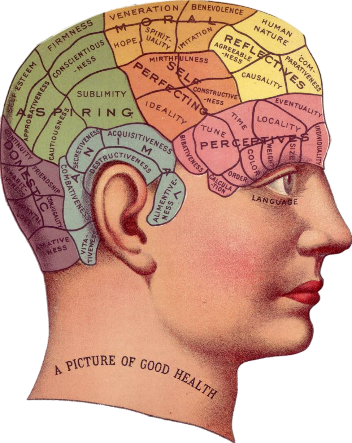
Psychologists have developed several therapies that integrate mindfulness techniques to treat various mental health conditions.
These include:
- Mindfulness-Based Stress Reduction (MBSR): focuses on using mindfulness to cope with chronic pain, stress, and anxiety.
- Mindfulness-Based Cognitive Therapy (MBCT): Aims to prevent depression relapse by teaching mindfulness skills to manage thoughts and emotions.
- Dialectical Behavior Therapy (DBT): Combines mindfulness with other techniques to help individuals with borderline personality disorder manage intense emotions and improve relationships.
Getting Started with Mindfulness
“If you're interested in trying mindfulness,
here are a some steps to get you started”

- Quiet space: Identify a peaceful spot where you can sit comfortably without distractions.
- Breath: Bring your attention to your breath, noticing the sensation of the air moving in and out of your body. When your mind wanders, gently bring it back to your breath.
- Thoughts: Observe your thoughts and feelings without labeling them as good, bad, or otherwise judging them. Simply acknowledge them and refocus on your breath.
Here's a detailed article about psychology and mindfulness., THE POWER OF MINDFULNESS SIMPLE PRACTICE CAN TRANSFORM YOUR LIFE
We often find ourselves stuck in thoughts of the past or anxiously planning, while the here-and-now slips by unnoticed. In an era dominated by constant distractions and a relentless pace of life, it's easy to get caught up in the whirlwind and lose touch with the present moment. This is where the practice of mindfulness comes in – a powerful tool with deep roots in psychology that can help you cultivate a greater awareness of the present and lead to profound transformations in your well-being.
The Roots of Mindfulness
While mindfulness has gained popularity in recent years, its origins stretch back over 2,500 years to ancient Eastern spiritual practices, particularly Buddhism. The concept was introduced to the Western world by mindfulness pioneers like Jon Kabat-Zinn, who defined it as "paying attention on purpose, in the present moment, and without judgment.
The Psychology Behind Mindfulness

So, how does mindfulness actually work its magic?
From a psychological perspective, the practice taps into several key mechanisms:
Neuroplasticity: Our brains have an incredible ability to reorganize and adapt throughout life. Regular mindfulness practice has been shown to strengthen areas of the brain involved in attention, emotion regulation, and memory, while weakening those linked to mind-wandering and stress.
Values-Based Action: By increasing awareness of your values and goals, mindfulness can guide you in making choices that align with what truly matters to you, leading to a more meaningful and fulfilling life.
Decentring: Mindfulness helps you develop the ability to observe your thoughts and feelings as fleeting events in the mind, rather than as reflections of your core self. This allows you to take a step back from distressing mental content and respond to it more skilfully.
Mindfulness in Action
So, what does mindfulness look like in everyday life?
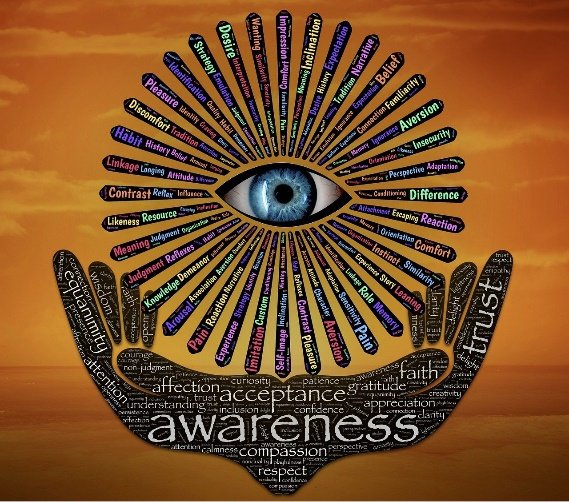
It's not just about sitting cross-legged on a meditation cushion (although that can be part of it!). Here are a few examples of how you can bring mindfulness into your daily routine:
Mindful Eating: Instead of wolfing down a meal while scrolling through your phone, try savoring each bite slowly. Notice the flavors, textures, and aromas of your food. Pay attention to the sensation of swallowing and the rise and fall of your breath as you eat.
Mindful Conversation: The next time you're chatting with a friend or family member, make an effort to truly be present. Focus on their words, tone of voice, and body language. Notice any thoughts or reactions arising in you without getting caught up in them. Respond in a way that feels authentic and engaged.
Mindful Walking: Take a short walk, either in place or around your block, while focusing intently on the sensation of your feet touching the ground with each step. Notice the movement of your legs and arms, the rhythm of your breath, and any sights or sounds around you.
Mindfulness and Mental Health

A wealth of research has shown that mindfulness practices can be a powerful tool in the treatment of various mental health conditions.
Here are a few examples:
- Anxiety Disorders: Mindfulness helps individuals with anxiety develop greater tolerance for distressing thoughts and emotions, reducing the need for avoidance and leading to greater confidence and life engagement.
- Depression: By increasing awareness of the present moment and reducing rumination on past regrets or future worries, mindfulness can help break the cycle of depressive thinking and improve mood.
- Trauma: Mindfulness practices can aid survivors of trauma in developing a greater sense of safety and control, reducing symptoms of PTSD and improving overall well-being.
Embracing a Mindful Path
If you're feeling inspired to bring more mindfulness into your life, there are many resources available to guide you on your journey. Here are a few steps to get you started:
- Seek Out Guided Meditations: Websites like Insight Timer and Headspace offer a wealth of free guided meditations for mindfulness newbies. You can find recordings tailored to everything from stress reduction to improving sleep.
- Try a Mindfulness Course: Look for online courses or workshops in your area that teach mindfulness fundamentals and provide a supportive community to learn with.
- Find a Mindful Buddy: Having a friend or family member to practice with can provide motivation and accountability on your mindfulness journey.
- Be Patient with Yourself: Remember, mindfulness is a practice that takes time to develop. Be gentle with yourself if your mind wanders a lot at first – simply acknowledge the distraction and gently refocus your attention.
By cultivating greater awareness of the here-and-now, we can transform our relationship with stress, improve our mental health, and lead lives that feel more authentic and fulfilling. Whether you're just starting out or are a seasoned practitioner, the journey of mindfulness is one that can offer profound rewards and help you tap into the wisdom and peace that's available in every moment.
In today’s fast-paced world, especially for students in India, the pressure to succeed is immense. Whether it's preparing for competitive exams, managing family expectations, or dealing with peer pressure, the stress can feel overwhelming.. This is where psychology and mindfulness come in as powerful tools to help us not just cope, but thrive.
The Stress Epidemic in Indian Society
Stress is no stranger to the Indian educational system. From high expectations at home to the competitive nature of entrance exams like JEE or NEET, the burden is huge. Many students struggle with anxiety, depression, and burnout, yet mental health is still often stigmatized. Psychology helps break this taboo by providing scientific explanations for these feelings, making it easier to seek help. No one should feel ashamed of experiencing anxiety; it's a natural response to high-pressure situations.
Mindfulness is the practice of being fully present in the moment, without judgment. Sounds simple, right? But in reality, it’s a skill that requires practice, especially for students who are often juggling multiple thoughts at once.
For Indian students, mindfulness can be incredibly effective in managing stress. Think about the last time you were studying but couldn’t concentrate because your mind kept wandering to other things—like the exam next week or what your parents might say if you don’t score well. Mindfulness helps bring the focus back to the present, allowing students to concentrate better and, as a result, retain information more effectively.
How Can Mindfulness Help?
1. Reducing Anxiety: By focusing on the present moment, mindfulness reduces the overwhelming feelings of anxiety about the future. It teaches you to tackle problems one step at a time, rather than worrying about everything all at once.
2. Improving Focus: Ever found yourself reading the same page of a textbook over and over again without understanding a word? Mindfulness can help sharpen your concentration by training your brain to focus on one task at a time.
3. Boosting Emotional Resilience: Exams, relationships, and social pressures can lead to emotional ups and downs. Mindfulness allows students to observe their emotions without being swept away by them, leading to greater emotional stability.
Practical Mindfulness Techniques for Students

1. Deep Breathing: Before starting your studies or entering an exam hall, take a few moments to practice deep breathing, slowly through your nose, hold for a few seconds, and exhale through your mouth. This simple exercise can calm your nervous system and improve focus.
2. Body Scan: Close your eyes and mentally scan your body from head to toe, observing any areas of tension. This practice helps release physical stress, which in turn eases mental stress.
3. Mindful Eating: Instead of rushing through meals or eating while scrolling on your phone, take a moment to enjoy the texture and taste of your food. This brings your mind back to the present and acts as a short mental break.
4. Gratitude Journaling: Write down three things you’re grateful for each day. This shifts your focus from stress to positivity, enhancing emotional well-being.
Why Psychology and Mindfulness Matter for Common People
It’s not just students who benefit from understanding psychology and practicing mindfulness; common people from all walks of life can. India’s working professionals, homemakers, and even retirees face unique challenges. Mindfulness helps everyone build emotional resilience, a crucial skill in today’s world where mental health issues are becoming more widespread.
The blend of psychological awareness and mindfulness practices gives people the tools to navigate life’s challenges with greater ease. Whether it’s managing stress at work, dealing with family dynamics, or finding balance in life, these practices help improve overall well-being.
While mental health awareness is growing in India, it still faces resistance, especially in more traditional households. There’s a prevailing belief that discussing psychological issues makes one "weak" or that mindfulness is something only practiced by monks or spiritual seekers. This couldn’t be further from the truth. Practicing mindfulness doesn’t require renouncing the world—it’s a tool that fits into modern, everyday life.
Psychology is not just for people with mental illness; it’s for everyone who wants to understand themselves better. By breaking the stigma around these subjects, Indian society can foster healthier, more open conversations about mental well-being.
The combination of psychology and mindfulness offers a path toward mental wellness for Indian students and common people alike. By understanding how our minds work and adopting mindfulness practices, we can reduce stress, improve focus, and lead more balanced lives. In a world that is constantly demanding more from us, taking care of our mental health should be a priority, not an afterthought. Let’s make space for mindfulness and embrace psychology as a tool for a healthier, happier future.
Positive Psychology And Mindfulness

The Power of Positive Psychology and Mindfulness: Cultivating Well-Being
Positive psychology and mindfulness are two powerful tools that have gained immense popularity for their ability to foster a deeper sense of happiness, reduce stress, and enhance overall well-being. In today's fast-paced, stress-driven world, the pursuit of happiness and well-being has become more important than ever. Let’s explore how these two concepts intertwine and can transform your life.
What is Positive Psychology?
Positive psychology, a field pioneered by psychologist Martin Seligman in the late 1990s, focuses on the study of what makes life worth living. Rather than only treating mental illnesses or diagnosing psychological problems, positive psychology emphasizes the cultivation of strengths, virtues, and positive emotions. The goal is to help individuals thrive, flourish, and lead fulfilling lives.
Some key areas of positive psychology include:
- Emotions: Encouraging feelings of joy, gratitude, love, and contentment.
- Engagement: Fostering a state of "flow," where individuals are deeply absorbed and immersed in activities they enjoy.
- Relationships: Building meaningful, supportive connections with others.
- Meaning: Finding purpose and a sense of contribution in life.
- Accomplishment: Achieving personal goals and feeling competent and effective.
The field has shown that happiness is not just a fleeting emotion but a skill that can be cultivated through intentional practices, such as mindfulness.
The Role of Mindfulness in Positive Psychology
It involves being fully aware of your thoughts, feelings, and sensations, without being overwhelmed or carried away by them. Mindfulness, rooted in ancient meditation practices, is the act of paying attention to the present moment in a non-judgmental way.. This practice is a cornerstone in both modern mental health approaches and positive psychology because it helps us tune in to our inner experiences and make conscious, intentional choices.
Mindfulness offers several key benefits that align with positive psychology:
- Enhancing Positive Emotions: By practicing mindfulness, individuals can become more aware of their positive emotions and savor them. Instead of letting moments of joy pass unnoticed, mindfulness helps us fully experience and appreciate them.
- Reducing Negative Thinking: One of the significant findings in positive psychology is that a positive mindset can shift your overall well-being. Mindfulness helps in breaking the cycle of negative thinking patterns, which often spiral into stress and anxiety.
- Fostering Gratitude: Mindfulness allows us to focus on what we have rather than what we lack, a practice central to gratitude. By being present in the moment, we can appreciate the beauty of simple things—like a warm cup of tea or a conversation with a friend—which in turn boosts our happiness.
- Building Resilience: Mindfulness fosters emotional regulation and awareness, which are critical for developing resilience. By observing our reactions without judgment, we learn to respond thoughtfully rather than react impulsively to challenges.
Integrating Mindfulness into Everyday Life

You don’t need to spend hours meditating to reap the benefits of mindfulness. Here are some simple ways to integrate it into your daily routine:
- Mindful Breathing: Take a few moments throughout the day to focus on your breath. Breathe in slowly, noticing the sensation of the air entering your body, and exhale, letting go of tension. This simple practice can help you stay grounded and calm in stressful moments.
- Mindful Eating: When you eat, try to focus on the taste, texture, and smell of your food. Put down your phone, and take time to enjoy each bite. This practice can enhance your appreciation of food and create a moment of mindfulness in a busy day.
- Mindful Walking: Next time you take a walk, leave your worries behind and pay attention to your surroundings. Notice the feel of the ground beneath your feet, the sound of birds, or the sensation of the wind. Being fully present during these small moments helps you engage with the world in a more meaningful way.
- Gratitude Journaling: At the end of the day, take a few minutes to jot down three things you’re grateful for. This simple act of mindfulness can shift your focus toward positive experiences and help you cultivate a more optimistic outlook.
The Science of Mindfulness and Positive Psychology
Research backs the powerful effects of mindfulness on both mental and physical health. Studies show that practicing mindfulness can lead to:
- Reduced Stress and Anxiety: Mindfulness helps to lower cortisol levels, the hormone associated with stress, creating a greater sense of calm and relaxation.
- Improved Emotional Regulation: By increasing awareness of your thoughts and emotions, mindfulness enables you to manage them more effectively, reducing emotional reactivity.
- Increased Focus and Cognitive Function: Mindfulness practices improve attention and memory, allowing you to be more present and engaged in daily tasks.
- Greater Well-Being and Life Satisfaction: Studies in positive psychology consistently show that mindfulness boosts happiness, enhances relationships, and leads to greater fulfillment.
A Journey Toward Flourishing
These practices invite you to not just survive but to thrive, embracing life with greater awareness, gratitude, and positivity, by combining the insights of positive psychology and the practice of mindfulness, you can cultivate a deeper sense of well-being, joy, and purpose in your life.. Through consistent practice, both positive psychology and mindfulness offer a roadmap toward flourishing—a life of meaning, connection, and true happiness.
allowing us to live more fully in the present, where happiness and well-being truly reside
Mindfulness is the key that helps unlock the potential for positive change,
Positive Psychology Mindfulness Exercises

“Harnessing Positive Psychology Through Mindfulness: 5 Simple Exercises for Daily Well-Being”
Positive psychology and mindfulness are powerful allies in the pursuit of happiness and well-being. Both emphasize the importance of living in the present and cultivating a positive mindset, but they also provide practical, accessible tools that anyone can incorporate into daily life. If you’re looking to reduce stress, build emotional resilience, or simply experience more joy, these mindfulness exercises rooted in positive psychology can help you develop greater awareness and positivity.
This classic positive psychology exercise encourages gratitude, which is linked to higher levels of happiness and well-being. It’s simple: every evening, write down three good things that happened during your day. These don’t have to be monumental—small moments, like enjoying a delicious meal or having a meaningful conversation, count just as much.
– Find a quiet moment at the end of your day.
– Reflect on the day and identify three positive experiences.
-Write them down in a journal, or even a notes app on your phone.
– For each positive event, also write -why it happened and how it made you feel.
Why It Works: Focusing on the good helps shift your mindset away from negative thinking patterns and encourages you to savor life’s positives. Over time, this practice can rewire your brain to be more naturally optimistic and appreciative.
Mindful Breathing

Mindful breathing is a core mindfulness practice and one of the easiest ways to cultivate present-moment awareness. When you focus on your breath, you calm your mind and body, reduce stress, and bring yourself into the "now." This simple exercise is an excellent tool to manage anxiety or tension during the day.
– Sit or stand comfortably, in a place where you won’t be disturbed.
– Close your eyes or soften your gaze.
– Focus on your breath, paying attention to how it feels as air enters your nose, fills your lungs, and leaves your body.
– If your mind wanders, gently bring your focus back to the breath.
– Practice for 2–5 minutes.
Breathing mindfully calms the nervous system and increases awareness, allowing you to pause and reduce reactivity. It helps develop a non-judgmental awareness of your thoughts and emotions, creating mental space for more positive responses.
Loving-Kindness Meditation (Metta Meditation)

Loving-kindness meditation, or "Metta," is a mindfulness practice that encourages compassion, empathy, and positive emotions. It involves sending good intentions and feelings of kindness to yourself, loved ones, and even people with whom you may have difficulty. This practice is particularly effective in fostering positive relationships and reducing feelings of resentment or anger.
– Find a comfortable position and “close your eyes”
– Take a few deep breaths to centre yourself.
– Start by sending loving-kindness to yourself,
– Silently repeating phrases like: "May I be happy. May I be healthy. May I be at peace."
– Next, think of someone you care about and repeat the phrases,
– Extending your good wishes to them.
– Gradually, send loving-kindness to others in your life,
– Including neutral individuals and those you may have conflicts with.
Why It Works: Research shows that loving-kindness meditation increases positive emotions, reduces anxiety, and fosters a deeper sense of connection with others. It helps shift the focus from judgment or criticism to acceptance and kindness.
The Savoring Exercise

The savoring exercise is about slowing down and immersing yourself in a positive experience to maximize its impact on your mood and well-being.
One of the core principles of positive psychology is the ability to Savor positive experiences. Often, we rush through moments of joy without fully appreciating them.
When you’re having a pleasant experience (like enjoying a good meal, spending time with a friend, or being in nature),
– Deep breath, and – be fully present
– Focus on the sensory details—the sights, sounds, smells, and feelings.
– Yourself feel the positive emotions associated with the experience.
making happy moments last longer. Savoring amplifies the positive emotions you experience, By paying close attention to these experiences, you increase your overall sense of well-being and life satisfaction.
Body Scan Meditation

By focusing on how each part of your body feels, you can calm the mind, relieve stress, and become more aware of physical and emotional states, body scan meditation is a form of mindfulness that helps you develop awareness of physical sensations. It’s a great way to reduce tension and improve your connection between mind and body.
– Lie down or sit comfortably, and close your eyes.
– Take a few deep breaths to relax.
– Start at your toes, noticing any sensations or tension.
– Slowly move your attention up your body, scanning each part—feet, legs, abdomen, chest, arms, hands, neck, and head.
– Spend a few moments with each body part, observing how it feels without judgment.
– If you notice tension, consciously relax that area of your body.
Body scan meditation fosters relaxation and mindfulness, helping to release physical tension and calm the mind. It’s especially helpful for managing stress and tuning into your body’s needs.
Incorporating mindfulness exercises rooted in positive psychology into your daily routine can have profound effects on your well-being. These practices not only help reduce stress and anxiety but also increase positive emotions, resilience, and life satisfaction. By focusing on the present moment, cultivating gratitude, and fostering compassion, you can create a more fulfilling and joyful life.
Whether you try all of these exercises or just start with one, the key is consistency. Over time, these practices will help you become more mindful, positive, and connected to the things that truly matter.
Psychology and Mindfulness popular books
“Exploring Mindfulness Through Psychology: A Guide to Essential Books for Personal Growth”

. If you’re looking to deepen your understanding of mindfulness and its psychological underpinnings, there’s no better way to do so than through reading, mindfulness has become a buzzword in the wellness space, but it’s far more than a passing trend. Rooted in both ancient meditation practices and modern psychology, mindfulness offers a powerful way to enhance well-being, reduce stress, and improve mental clarity The intersection of psychology and mindfulness has given rise to a wealth of insightful books that guide readers through the science, practice, and transformative potential of mindfulness. In this post, we will explore some of the most influential mindfulness books grounded in psychology, offering key takeaways from each and tips for incorporating their teachings into your life.
“The Miracle of Mindfulness" by Thich Nhat Hanh
A simple yet profound introduction to mindfulness in this book. It provides a series of practical exercises to help individuals incorporate mindfulness into everyday activities—from washing dishes to walking. Though rooted in Buddhist teachings, the wisdom in this book is universal and applicable to anyone seeking to live more mindfully.
Mindfulness doesn’t require elaborate rituals or special techniques. It’s about bringing full awareness and presence to whatever you’re doing, whether it's a routine chore or a moment of deep reflection.
Start with one small task—whether it’s brushing your teeth or drinking your morning coffee—and try to give it your full attention. Notice the sensations, thoughts, and emotions that arise as you focus on this simple act. By cultivating mindfulness in small ways, you can begin to carry that awareness into larger aspects of life.
“Wherever You Go, There You Are" by Jon Kabat-Zinn
Jon Kabat-Zinn, a pioneer of mindfulness-based stress reduction (MBSR), introduces readers to the essence of mindfulness in this accessible book. Drawing from decades of teaching and research, Kabat-Zinn provides a roadmap for living more fully in the present moment, regardless of your circumstances. His writing bridges the gap between ancient mindfulness practices and modern psychological science, making it relevant for contemporary readers.
Mindfulness is not about achieving a specific state or goal but about being fully present and accepting life as it unfolds, without judgment.
Set aside a few minutes each day to simply "be" with your thoughts and feelings, without trying to change them. Sit quietly, observe your breath, and notice any sensations or emotions that come up. Over time, this practice can help you develop greater resilience and a calmer, more balanced mind.
The Mindful Way Through Depression" by Mark Williams, John Teasdale, Zindel Segal, and Jon Kabat-Zinn
This book integrates mindfulness with cognitive behavioral therapy (CBT) to provide a powerful approach for overcoming depression. The authors, all leading psychologists in the field, show how mindfulness can help break the cycle of negative thoughts that often fuel depression. It also includes a practical eight-week program designed to help readers build mindfulness skills and develop a healthier relationship with their thoughts and emotions.
Mindfulness helps disrupt the habitual thought patterns that can lead to anxiety and depression by encouraging a non-judgmental, observational stance toward thoughts.
The book provides guided meditations and exercises to help you become more aware of your thinking patterns. By practicing mindfulness, you can learn to observe negative thoughts without getting caught up in them, allowing you to respond to challenges more calmly and effectively.
“Radical Acceptance" by Tara Brach
Psychologist and meditation teacher Tara Brach offers a compassionate approach to mindfulness in her book Radical Acceptance. Through a combination of Buddhist wisdom and psychological insight, Brach explains how feelings of unworthiness and self-criticism often stand in the way of true happiness. Her approach encourages readers to embrace themselves and their experiences fully, without judgment, to experience true healing and transformation.
Radical acceptance means letting go of the need to change or fix ourselves and, instead, embracing ourselves with kindness and compassion—even our flaws and painful emotions.
When you notice yourself being overly critical or judgmental, pause and practice self-compassion. Offer yourself kind words and gentle acknowledgment of your feelings. Over time, this practice can soften the grip of self-judgment and open the door to greater inner peace.
“The Happiness Trap" by Russ Harris
Based on Acceptance and Commitment Therapy (ACT),
“The Happiness Trap”

By Russ Harris challenges the common misconception that happiness comes from avoiding pain and discomfort. Instead, Harris encourages readers to embrace their emotions, even the difficult ones, through mindfulness and acceptance practices. By doing so, you can stop struggling against life’s inevitable challenges and learn to live more fully.
Happiness is not about avoiding discomfort but about learning to accept and navigate life’s inevitable ups and downs with mindfulness and compassion.
Whenever you feel overwhelmed by difficult emotions, try to notice and label them without judgment. For example, say to yourself, “I’m feeling anxious right now,” instead of getting swept up in the feeling. This mindful labeling can help you create space between you and your emotions, allowing you to respond rather than react.
Mindfulness in Plain English" by Bhante Henepola Gunaratana
Written by the Sri Lankan Buddhist monk Bhante Gunaratana, this book is a straightforward guide to mindfulness meditation (Vipassana). It demystifies the practice and provides clear instructions for anyone interested in cultivating mindfulness. It is one of the most accessible books on mindfulness, offering practical tips for both beginners and experienced meditators.
Mindfulness meditation is not about achieving a state of bliss or enlightenment but about developing greater clarity, awareness, and understanding of your own mind.
Follow the book’s step-by-step guidance for starting a mindfulness meditation practice. Dedicate just 10-15 minutes a day to sitting quietly and focusing on your breath. As you become more familiar with the practice, you’ll notice greater calm and insight into your thought patterns.
A Journey Through Mindfulness and Psychology
Mindfulness, when combined with psychological principles, provides a powerful toolkit for personal growth, emotional healing, and overall well-being. These books offer a range of perspectives on mindfulness, from its roots in ancient practices to its modern applications in stress reduction, cognitive therapy, and self-compassion. Whether you're new to mindfulness or looking to deepen your practice, these books can serve as valuable companions on your journey toward greater awareness, resilience, and inner peace.
By incorporating the teachings from these authors into your daily life, you can begin to experience the profound impact that mindfulness can have on your mind, body, and soul.